The Future of Gadgets

The Future of Gadgets, AI Integration and the Internet of Things (IoT)

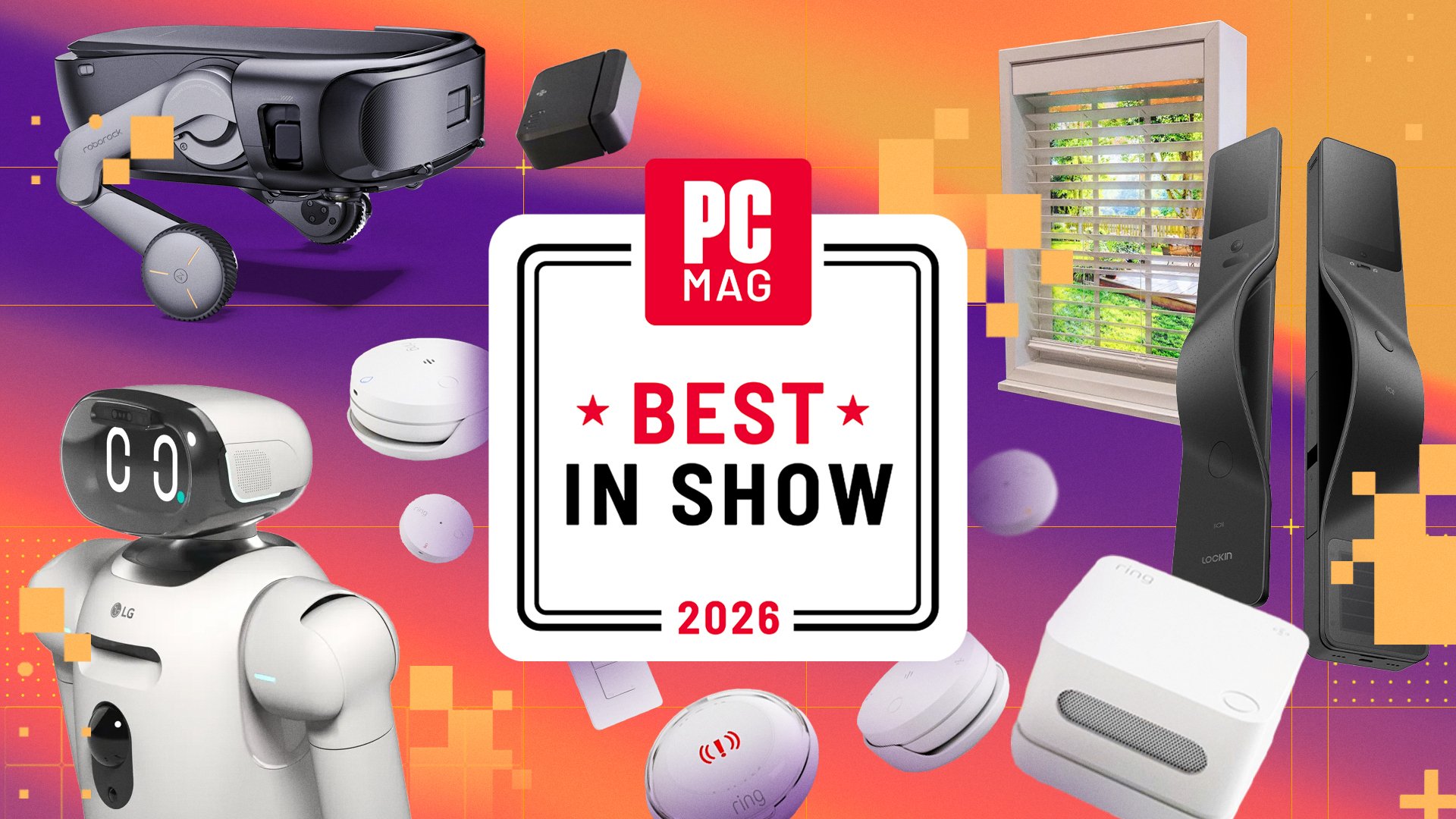
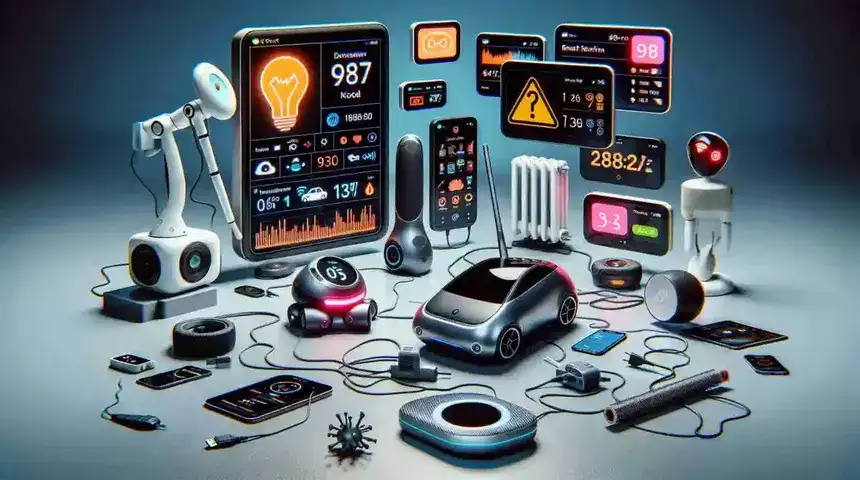
We stand at a fascinating inflection point in the history of technology. The gadgets that surround us are no longer just smart; they are becoming intuitive. The next decade promises a fundamental shift in how we interact with our devices, moving from a world where we command our technology to one where our technology anticipates our needs. This future is being built on two powerful, converging forces: Artificial Intelligence (AI) and the Internet of Things (IoT). Together, they are weaving a digital fabric that will surround us, support us, and fundamentally reshape our relationship with the gadgets we use every day.

The Future of Gadgets, AI Integration and the Internet of Things (IoT)
The Future of Gadgets

Understanding the Convergence

First, let’s define our terms. The Internet of Things (IoT) refers to the vast network of physical devices embedded with sensors, software, and connectivity that allows them to exchange data. This includes everything from your smartwatch and your thermostat to your refrigerator, your car, and even industrial machinery. It’s about taking everyday objects and giving them a digital voice.

Artificial Intelligence (AI) , particularly the branch known as machine learning, is the engine that makes sense of all the data these IoT devices generate. AI can analyze massive datasets, identify patterns, learn from them, and make predictions or decisions. When you combine the data-gathering power of IoT with the analytical power of AI, you create a system that doesn’t just report on the world; it understands it and acts within it.

This convergence is already happening. Your smart thermostat doesn’t just report the temperature; it learns your schedule and preferences and adjusts itself. Your fitness tracker doesn’t just count your steps; it analyzes your sleep patterns and activity to give you personalized health insights. This is just the beginning.

The AI-Powered Home

Imagine walking into your future home. It doesn’t wait for you to issue commands. It knows you’ve arrived. The lights gradually brighten to your preferred evening setting. The thermostat adjusts to your preferred temperature. Your favorite playlist begins softly playing in the background, selected because the AI knows you typically want to unwind after a Wednesday commute.

In the kitchen, your refrigerator has been tracking its contents. It knows you’re running low on milk and eggs, and it has already added them to your shopping list. It has even suggested a few recipes based on the ingredients you have and your dietary preferences. Your smart oven, communicating with the fridge, preheats itself when you select a recipe.

This is the promise of the AI-powered home: a living environment that is not just connected, but genuinely helpful. It frees you from the cognitive load of managing your surroundings, allowing you to focus on what matters. It learns your habits, adapts to your routines, and operates seamlessly in the background.

Wearables Become Health Guardians

The future of health gadgets is equally transformative. Today’s wearables track steps and heart rate. Tomorrow’s will be proactive health guardians. Advances in sensor technology will allow future smartwatches and even smart rings to monitor a much wider range of biomarkers: blood pressure, blood sugar levels, hydration status, and even stress hormones, all without needles or cuffs.

But the real revolution will come from the AI that analyzes this data. Your wearable won’t just tell you that your heart rate is elevated; it will notice a pattern of elevated heart rates during certain times of day and correlate it with your calendar, suggesting that those back-to-back meetings might be a source of chronic stress. It might detect subtle changes in your vital signs that are early indicators of an oncoming illness, even before you feel symptoms, prompting you to rest and hydrate. For individuals with chronic conditions like diabetes or hypertension, this kind of proactive, continuous monitoring could be life-changing, alerting them and their doctors to potential problems long before they become emergencies.

The Challenges Ahead: Privacy and Security

This hyper-connected, AI-driven future is incredibly exciting, but it also raises profound challenges. The most significant is privacy. A home that knows everything about you—when you wake, what you eat, your health data, your conversations—is a home that is collecting a staggering amount of personal information. Who owns this data? How is it being used? Who has access to it? The potential for misuse, whether by corporations for targeted advertising or by malicious actors through data breaches, is enormous.

Security is the other side of this coin. A network of connected devices is only as secure as its weakest link. Your smart light bulb could be the entry point for a hacker to access your entire home network. As our homes, cars, and even our bodies become more connected, the attack surface for cybercriminals expands dramatically. The future of gadgets depends on building robust security into every device from the ground up and giving users transparency and control over their data.

The Invisible Future

The ultimate goal of this technological evolution is for the gadgets themselves to fade into the background. The most profound technologies are those that disappear. They weave themselves into the fabric of everyday life until they are indistinguishable from it. The future of gadgets is not about more screens, more notifications, and more complexity. It is about creating an intelligent, responsive environment that anticipates our needs, supports our well-being, and frees us to be more fully human. The AI and IoT revolution promises to make technology less of a tool we use and more of a partner we live with. The challenge—and the opportunity—is to build that future responsibly, ensuring that it serves humanity rather than the other way around.
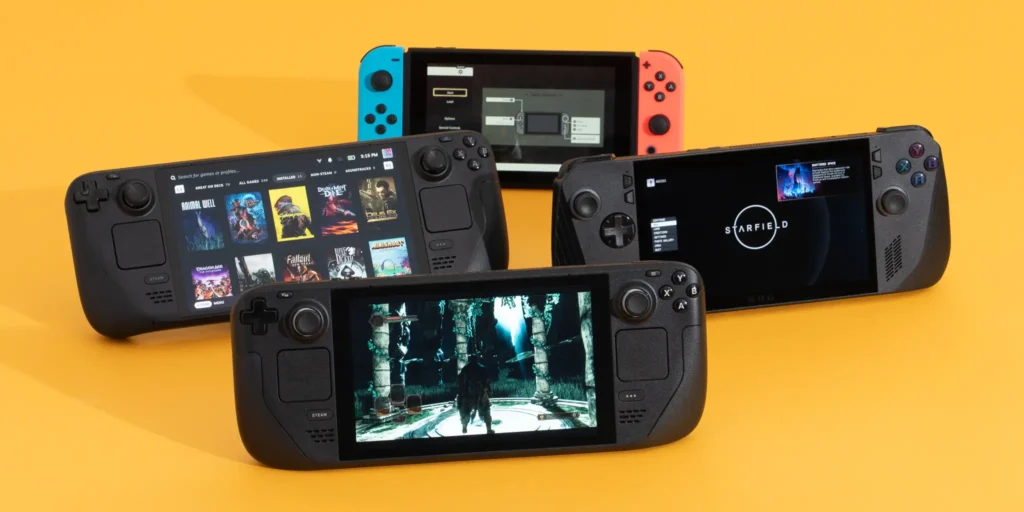
Gaming Handhelds are Back, The Rise of the Steam Deck and ROG Ally

Gaming Handhelds are Back, The Rise of the Steam Deck and ROG Ally

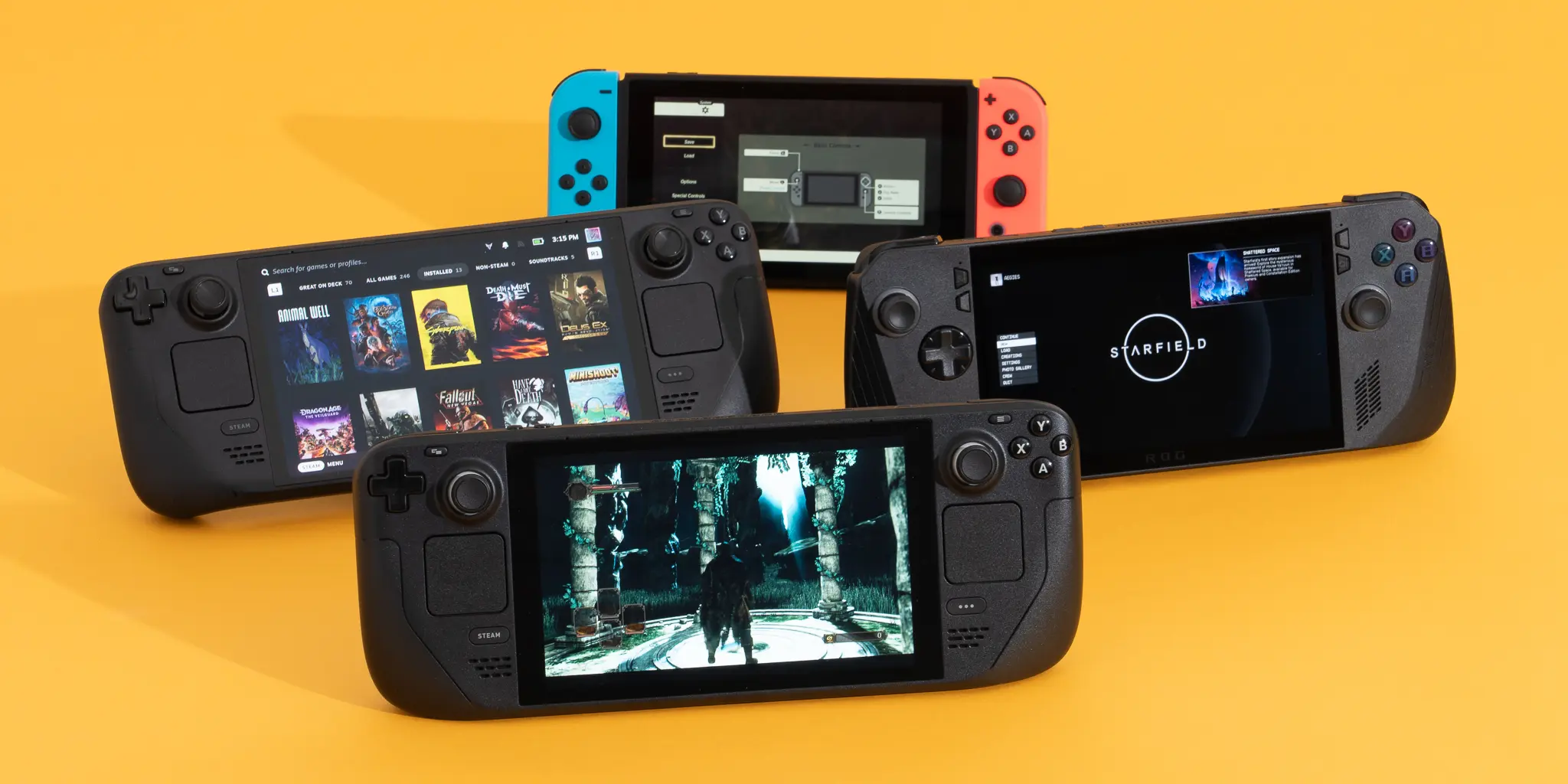
For a generation of gamers who grew up in the 1990s and early 2000s, the handheld was a sacred device. The Nintendo Game Boy, the Sega Game Gear, and later the Sony PlayStation Portable (PSP) were portals to portable adventures. Then, for a while, the dedicated gaming handheld seemed to fade, squeezed by the rise of powerful smartphones that could play casual games. But something remarkable has happened in recent years: the gaming handheld is not just back; it’s better than ever. Led by the Valve Steam Deck and the ASUS ROG Ally, a new category of powerful, PC-based handhelds has emerged, allowing gamers to play their favorite AAA titles anywhere, anytime.

Gaming Handhelds are Back: The Rise of the Steam Deck and ROG Ally

Gaming Handhelds are Back, The Rise of the Steam Deck and ROG Ally

A Brief History of Handheld Gaming

The handheld market has long been dominated by Nintendo. From the Game Boy, which sold over 100 million units, to the Nintendo DS and the current Nintendo Switch, Nintendo has consistently understood the magic of portable gaming. The Switch, in particular, blurred the lines between home console and handheld, proving that gamers craved the freedom to play high-quality games on the go.

But the Switch, powerful as it is, is still a closed ecosystem. You can only play games that Nintendo allows on its platform. For PC gamers with massive libraries on Steam, Epic, or GOG, the Switch offered no solution. The dream of playing graphically demanding PC games like Cyberpunk 2077 or Elden Ring on a portable device seemed impossible. That is, until Valve released the Steam Deck.

The Steam Deck Revolution

When Valve announced the Steam Deck in 2021, the gaming world took notice. This was not a toy; it was a full-fledged PC, shrunk down into a handheld form factor. It ran Linux-based SteamOS, but it was powerful enough to run thousands of Windows-based PC games through a compatibility layer called Proton. For the first time, your entire Steam library could potentially fit in your hands.

The original Steam Deck was a revelation. It featured a custom AMD APU (a chip combining CPU and GPU) that delivered surprising performance, a crisp 7-inch screen, and a full suite of controls including thumbsticks, a D-pad, face buttons, and two innovative trackpads that allowed for mouse-like input in games that required it. It was chunky, it was a bit heavy, and the battery life was only so-so, but it worked. It worked astonishingly well. The dream of playing PC games on the go was real.

The Competition Heats Up: The ROG Ally and Beyond

The success of the Steam Deck did not go unnoticed. The PC gaming hardware giants, long focused on desktops and laptops, saw an opportunity. In 2023, ASUS released the ROG Ally, a direct competitor that took a different approach. Instead of Linux, the Ally ran Windows 11 natively. This meant it could run any PC game, from any store, without compatibility layers. It was also more powerful, featuring a newer, faster AMD Z1 Extreme chip, and a beautiful 1080p 120Hz screen.

The Ally was lighter, faster, and had a better screen than the Steam Deck. However, the Windows experience on a small touchscreen was clunky, and battery life was even worse. The battle lines were drawn: the Steam Deck offered a more polished, console-like experience with a massive library of verified games, while the ROG Ally offered raw power and universal compatibility at the cost of some polish and battery life. Other competitors have since joined, including the Lenovo Legion Go, which features a massive 8.8-inch screen and detachable controllers, leaning even further into the “portable PC” concept.

Why They Matter

The rise of these PC gaming handhelds matters for several reasons. First, they offer unprecedented freedom. Your gaming library is no longer tied to your desk. You can play your save game from your desktop, right where you left off, on the bus, in bed, or on vacation. Services like cloud saves make this seamless.

Second, they represent a convergence of gaming ecosystems. You’re not locked into one company’s store. On a Windows-based handheld like the ROG Ally, you can play games from Steam, Epic, Xbox Game Pass, GOG, and even emulators for older consoles. It’s an open platform for gaming.

Third, they are driving innovation. The competition between Valve, ASUS, Lenovo, and others is pushing the technology forward rapidly. Screens are getting better, chips are getting more efficient, and software is becoming more refined. We are still in the early days of this new category.

The Future of Handheld Gaming

What comes next? The next generation of devices will likely focus on improving battery life, the Achilles’ heel of current models. More efficient chips and larger batteries will extend playtime. Screens will get even better, with OLED technology becoming more common (Valve recently released an OLED model of the Steam Deck). Cloud gaming integration will also play a bigger role, allowing these devices to stream games from powerful remote servers, saving battery and expanding the library even further.

The PC gaming handheld is not a niche product anymore. It is a legitimate and growing category that offers a unique way to experience games. For anyone who loves gaming but values the freedom to play anywhere, the new generation of handhelds is nothing short of a dream come true.

Smart Home Gadgets 2026: From Smart Speakers to Robot Vacuums

Smart Home Gadgets 2026

The dream of a home that anticipates your needs, responds to your voice, and takes care of tedious chores is no longer science fiction. It’s the reality of the modern smart home. What began as a novelty—a light bulb you could control with your phone—has evolved into a comprehensive ecosystem of interconnected devices that can enhance convenience, improve security, save energy, and even look after your loved ones. In 2026, the smart home gadgets is more accessible and capable than ever, but with so many gadgets on the market, knowing where to start can be overwhelming.

Smart Home Gadgets 2026: From Smart Speakers to Robot Vacuums

https://paninikeypad.com/smart-home-gadgets-2026/

The Brain of the Operation: Smart Speakers and Displays

At the heart of most smart homes is a smart speaker or smart display. Devices like the Amazon Echo (with Alexa), Google Nest Hub (with Google Assistant), and Apple HomePod (with Siri) serve as the central command center. They listen for your voice commands and translate them into actions. You can ask them to play music, set timers, check the weather, read the news, and, most importantly, control all your other smart devices.

Smart displays add a visual element to this interaction. They can show you video feeds from your security cameras, display step-by-step recipes in the kitchen, or make video calls to family members. They are the hub through which you can monitor and manage your entire connected home. Choosing which ecosystem to buy into is a major decision, as devices from one ecosystem (like Alexa) often don’t play perfectly with another (like Google Home). Your choice may be influenced by which smartphone you use or which features matter most to you.

Convenience and Comfort: Lighting, Climate, and Cleaning

The most popular smart home gadgets are those that add convenience to daily life. Smart lighting, from brands like Philips Hue or LIFX, allows you to control lights with your voice or phone. You can schedule them to turn on gradually in the morning to wake you naturally, dim them for movie night, or change their color to match your mood. Beyond convenience, smart lighting can enhance security by making it look like someone is home when you’re away.

Smart thermostats, like the Google Nest Thermostat or the ecobee, learn your schedule and preferences, automatically adjusting the temperature to save energy when you’re asleep or away. They can be controlled remotely, so you’re never left wondering if you left the heat on. Over time, they can pay for themselves in energy savings.

Then there’s the undisputed champion of smart home convenience: the robot vacuum. Devices from iRobot (Roomba), Roborock, and Eufy have evolved from random-bouncing nuisances to sophisticated navigators. Modern robot vacuums use lidar or camera-based mapping to learn the layout of your home, clean in efficient rows, and even return to their base to empty themselves automatically. Some models now also mop, handling both dry and wet floor cleaning in one pass. Coming home to freshly cleaned floors, courtesy of a little robot, never gets old.

Security and Peace of Mind

Smart home technology has revolutionized home security. Smart doorbells, like the Ring or Google Nest Doorbell, put a camera at your front door. You can see and speak to visitors from anywhere in the world using your phone. They record motion events, giving you a record of packages delivered, visitors who stopped by, and, potentially, evidence if something goes wrong.

This extends to full smart security camera systems. Indoor and outdoor cameras can send alerts to your phone when motion is detected, allow you to check in on your home in real-time, and record footage to the cloud. Smart locks, from brands like August or Yale, let you lock and unlock your door remotely, grant temporary access codes to guests or service providers, and eliminate the need for physical keys entirely. Smart sensors for doors and windows can alert you if a door is opened unexpectedly, adding another layer of security.

The Future: Matter and Seamless Integration

For years, the biggest frustration with smart homes was incompatibility. Devices from different brands often refused to talk to each other, forcing consumers to pick one ecosystem and stick with it. That is finally changing with the arrival of Matter, a new universal connectivity standard backed by all the major players—Apple, Google, Amazon, Samsung, and others. Matter promises to make smart home devices work together seamlessly, regardless of which brand or ecosystem you choose. A light bulb with the Matter logo will work with your Alexa speaker, your Google Hub, and your Apple HomeKit, all at the same time.

The smart home of 2026 is more integrated, more intuitive, and more secure than ever before. It’s no longer about showing off gadgets; it’s about creating a living space that works for you, saving you time, energy, and worry. The technology has matured to the point where building a smart home is not just for enthusiasts; it’s for anyone who wants to make their daily life a little bit easier.

Action Cameras

Action Cameras, Capturing Life’s Adventures with the Latest Tech

There was a time when capturing your adventures meant lugging a bulky camcorder or risking your expensive smartphone in dangerous environments. If you wanted to film yourself skiing down a mountain or diving into the ocean, the logistics were complicated and the equipment was vulnerable. Then came a tiny, rugged device that changed everything: the action camera. Led by the iconic GoPro, this category of gadget has exploded in popularity, putting professional-quality, stabilized video capture into the hands of anyone with an adventurous spirit. Today’s action cameras are smaller, smarter, and more capable than ever, opening up creative possibilities that were once reserved for Hollywood productions.

Action Cameras, Capturing Life’s Adventures with the Latest Tech

Action Cameras

The Birth of a New Category

The action camera story begins with Nick Woodman, a surfer and entrepreneur who wanted to capture high-quality action shots of himself and his friends surfing. Dissatisfied with the existing options, which were either too expensive, too bulky, or not waterproof, he set out to create his own solution. In 2002, he founded GoPro, and the first cameras used 35mm film. It wasn’t until the digital era that GoPro truly took off. The company’s genius was understanding that the camera wasn’t just for professionals; it was for anyone who wanted to document their life from a first-person perspective.

The early GoPros were simple: a rugged, waterproof box that could be mounted almost anywhere—on a helmet, a surfboard, a bike handlebar. The quality was decent, but the real magic was the perspective. For the first time, viewers could feel what it was like to ski down a double black diamond or catch a wave. The action camera democratized adventure filmmaking, and a new category was born.

The Technology Inside Today’s Action Cams

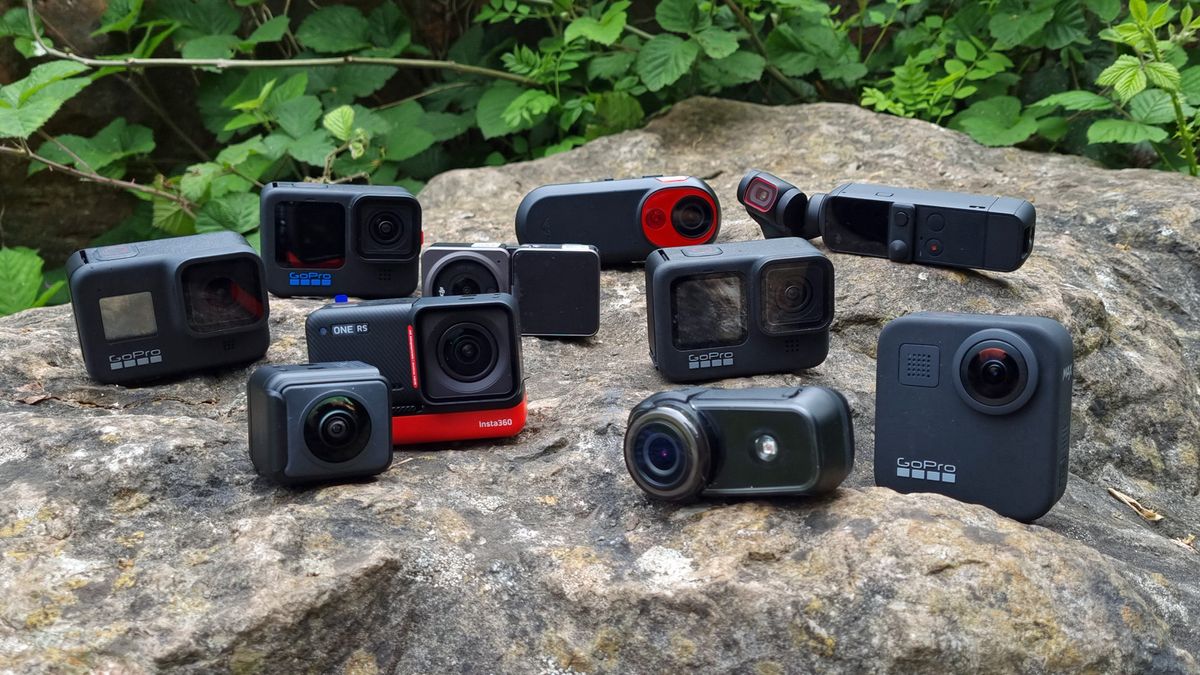
Modern action cameras are technological marvels packed into tiny, durable bodies. The most significant advancement in recent years has been image stabilization. Early action footage was often shaky and nauseating to watch. Today, cameras like the GoPro Hero series and the DJI Osmo Action use sophisticated electronic and gyroscopic stabilization that makes footage look like it was shot on a gimbal, even when you’re bouncing down a mountain trail. This technology, often called HyperSmooth (GoPro) or RockSteady (DJI), has been a game-changer, making amateur footage look professionally smooth.

Image quality has also skyrocketed. Modern action cameras can shoot in stunning 4K and even 5.3K resolution at high frame rates, allowing for smooth slow-motion playback. Sensors have grown larger, improving low-light performance, which was once a major weakness. Many now offer HDR (High Dynamic Range) video, capturing more detail in both bright skies and shadowed areas simultaneously.

Durability remains a core feature. Most flagship action cameras are waterproof out of the box to depths of 10 meters or more, without needing an external housing. They are built to withstand shocks, dust, and freezing temperatures. They are the rugged SUVs of the camera world, designed to go where other cameras fear to tread.

Beyond the Hero Shot: New Features and Use Cases

Action cameras have evolved beyond their extreme sports roots. One of the most exciting developments is the inclusion of front-facing screens, making them perfect for vloggers and content creators. You can now frame yourself perfectly while talking to the camera, something that was awkward with earlier models.

Voice control has become standard, allowing you to start and stop recording hands-free while your hands are occupied with, say, holding onto a cliff face. The rise of 360-degree cameras, like the Insta360 series, has added another dimension. These cameras capture everything around you simultaneously, allowing you to “reframe” the shot afterward, choosing your angle in post-production as if you had multiple cameras running at once. This has opened up incredibly creative possibilities for unique, sweeping shots.

Action cameras are no longer just for adventure. People use them for capturing family vacations, documenting road trips, filming behind-the-scenes content for work, and even as dash cams. Their small size and versatility make them a creative tool for anyone who wants to capture life from a dynamic perspective.

Choosing the Right Action Camera

With so many options on the market, how do you choose? The GoPro Hero series remains the market leader, offering the best all-around performance, stabilization, and ecosystem of mounts and accessories. The DJI Osmo Action series is a strong competitor, often with better low-light performance and a innovative magnetic mounting system. For those interested in 360-degree video, Insta360 is the go-to brand, offering cameras that unlock truly unique creative possibilities.

Consider what you’ll be filming. If you’re a hardcore adventurer who needs the best stabilization and durability, a flagship GoPro is hard to beat. If you’re a vlogger, the dual screens on the DJI or the newer GoPros are essential. If you want to create unique, reframable content, look at a 360-degree camera. And if you’re on a budget, last year’s flagship model or offerings from companies like Akaso offer surprisingly good performance at a fraction of the price.

Action cameras have transformed how we document our lives. They’ve taken us inside the barrel of a wave, to the summit of a mountain, and along the winding trails of our everyday adventures. With the latest tech packed into these tiny rugged bodies, the only limit is your imagination.

The Rise of the Folding Phone

The Rise of the Folding Phone

Remember when a phone was just a phone, and a tablet was just a tablet? Then, a few years ago, a new category emerged from the realm of science fiction: the folding phone. Devices like the Samsung Galaxy Z Fold and Z Flip promised to revolutionize mobile computing by offering a large, tablet-sized screen that could fold down to fit in your pocket. It was audacious, it was expensive, and it was fragile. Now, several generations in, the folding phone is no longer a prototype curiosity. But as prices remain high and durability concerns linger, we must ask the critical question: Is this the inevitable future of the smartphone, or is it an expensive, niche gimmick?

The Rise of the Folding Phone: A Glimpse into the Future or a Gimmick?

The Rise of the Folding Phone

The Birth of a New Form Factor

The concept of a foldable display had been teased for years, with companies showing off prototype devices behind glass cases at tech trade shows. The problem was monumental: how do you create a glass-like screen that can bend hundreds of thousands of times without cracking? The answer was a shift from glass to a flexible polymer, protected by a thin, scratch-prone plastic layer. In 2019, the race went public. Royale, a small Chinese company, beat everyone to market with the Royale Flexpai, a clunky device that looked more like a prototype than a product. Shortly after, Samsung was forced into an early, embarrassing launch of the original Galaxy Fold after reviewers discovered that removing a seemingly protective screen layer would break the display. It was a PR disaster, but Samsung retreated, redesigned the device, and re-launched it to much stronger reviews. The folding phone category was officially born.

The Two Philosophies: Fold and Flip

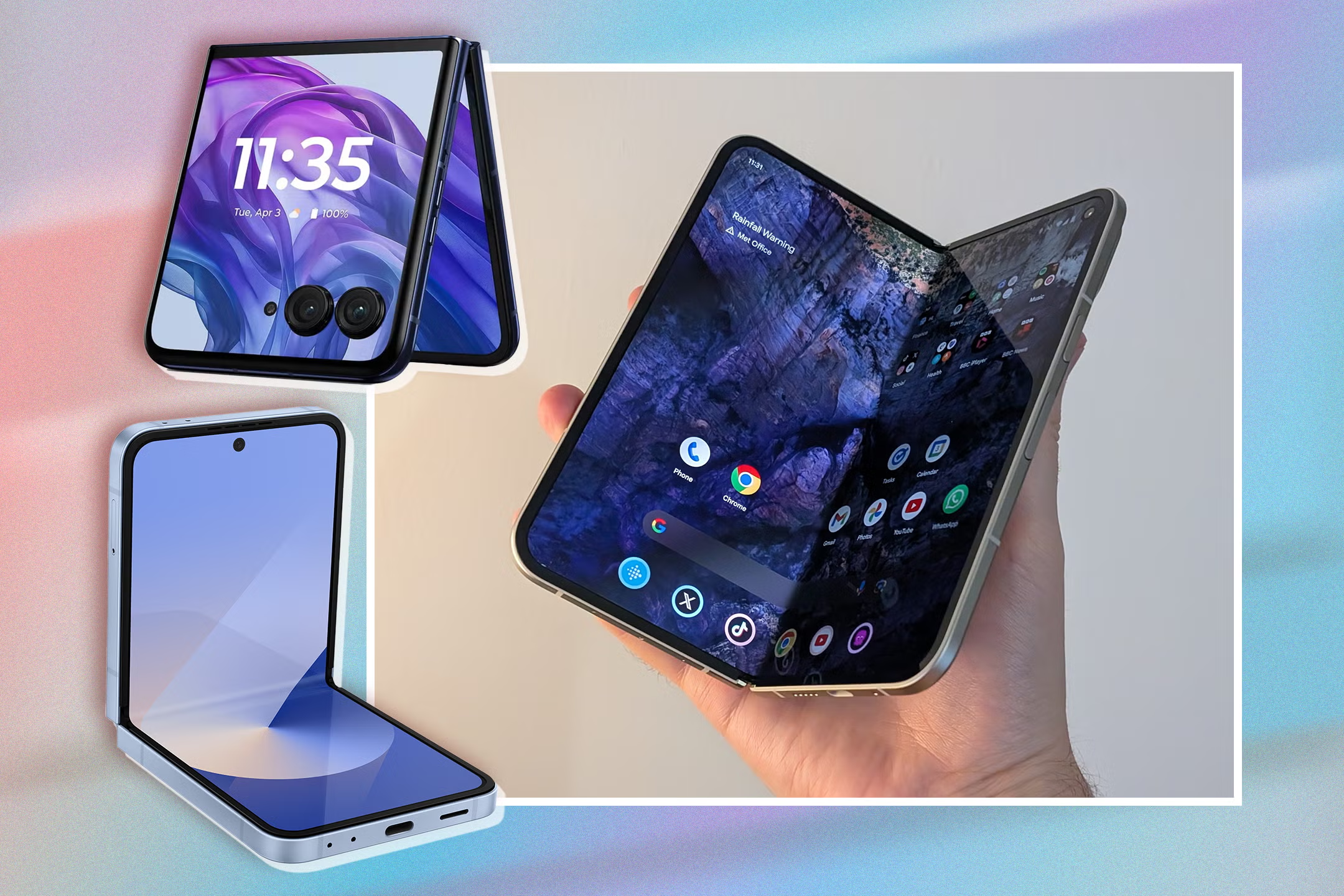
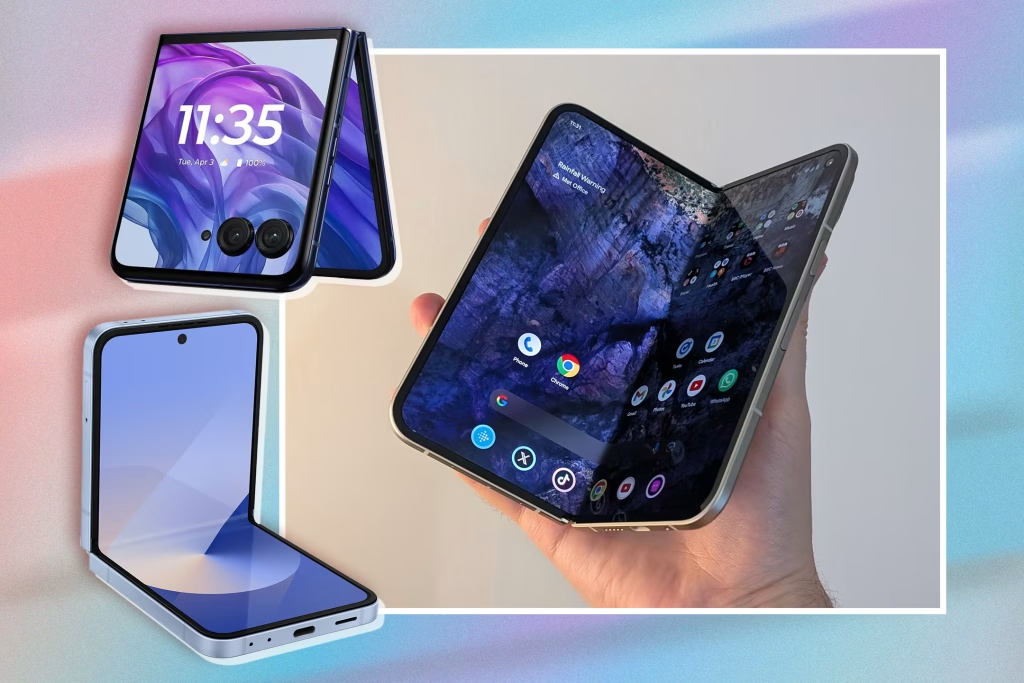
Today, the market has largely settled into two distinct form factors, best exemplified by Samsung’s two main lines, though competitors like Google (Pixel Fold), Motorola (Razr), and OnePlus (Open) have joined the fray.

First, there’s the “phone-to-tablet” fold, like the Galaxy Z Fold series. These devices open vertically to reveal a large, square-ish inner screen, perfect for multitasking, reading, watching movies, or using apps that benefit from more real estate. When closed, they function as a (thick) but fairly standard smartphone. The promise here is convergence: carrying one device that can be both your phone and your tablet.

Second, there’s the “clamshell” fold, like the Galaxy Z Flip or the new Motorola Razr. These devices fold horizontally, like the flip phones of the early 2000s. Their primary benefit is portability. When folded, they become incredibly compact, easily slipping into small pockets or clutches. When opened, they are a full-sized, modern smartphone. The focus here isn’t on expanding screen size, but on shrinking the device’s footprint.

The Pros: Why You Might Want One

The advantages of foldables are compelling. For the “Fold” style, the ability to have a tablet in your pocket is a game-changer for productivity. You can run two apps side-by-side on a screen large enough to actually be useful. You can watch a video on one half of the screen while browsing the web on the other. Reading PDFs or comics is a vastly superior experience. The large inner screen also serves as a built-in kickstand for hands-free video calls or media viewing.

For the “Flip” style, the main advantage is the compact form factor. It’s a return to the days when a phone could disappear in your hand. The external “cover screen” on modern flip phones has also become a useful feature, allowing you to check notifications, take selfies with the main cameras, and even reply to messages without opening the device. Both styles offer a “wow” factor that traditional slab phones have lost. Folding a phone shut to end a call is also a deeply satisfying, tactile experience that swiping to end a call just can’t match.

The Cons: The Compromises You Have to Accept

However, this new form factor comes with significant compromises. The most obvious is the crease. No matter how much manufacturers improve the hinge mechanism, a visible crease runs down the middle of the inner screen. While you stop noticing it after a while, it’s always there, both visually and tactilely.

Durability remains a major concern. The inner screen is made of plastic, which is far softer and more scratch-prone than glass. A fingernail can leave a permanent dent. While modern foldables have improved dust and water resistance (many now have an IPX8 rating for water, but dust resistance is still a challenge), they are still more fragile than a standard IP68-rated phone. You will think twice before taking it to the beach.

Price is the biggest barrier to entry. Foldables are flagship devices with flagship prices, often costing $1,700 or more. That’s two or even three times the price of a very capable traditional smartphone. Finally, there’s the thickness and weight. When closed, a Fold-style device is noticeably thicker and heavier than a standard phone, which can be off-putting.

The Verdict: The Future, But Not for Everyone

So, is it the future or a gimmick? The most honest answer is that it’s a glimpse into a future that isn’t quite ready for prime time. The technology is undeniably impressive and offers genuine benefits that traditional phones cannot. For early adopters, tech enthusiasts, and productivity power users, the trade-offs are worth it. They are willing to pay a premium and handle the device with care for the unique functionality it provides.

For the vast majority of consumers, however, the folding phone remains a fascinating but impractical curiosity. The high price, durability concerns, and lingering compromises mean that the traditional slab-style smartphone is still the safer, smarter, and more affordable choice.

But the trend is clear. As the technology matures, prices will drop, hinges will get better, and screens will become more durable. The crease will likely fade, and the weight will decrease. The folding phone may not be mainstream today, but it represents a clear direction for the future of mobile devices. It’s not a gimmick; it’s an evolution, and we are watching it happen in real-time, one careful unfold at a time.