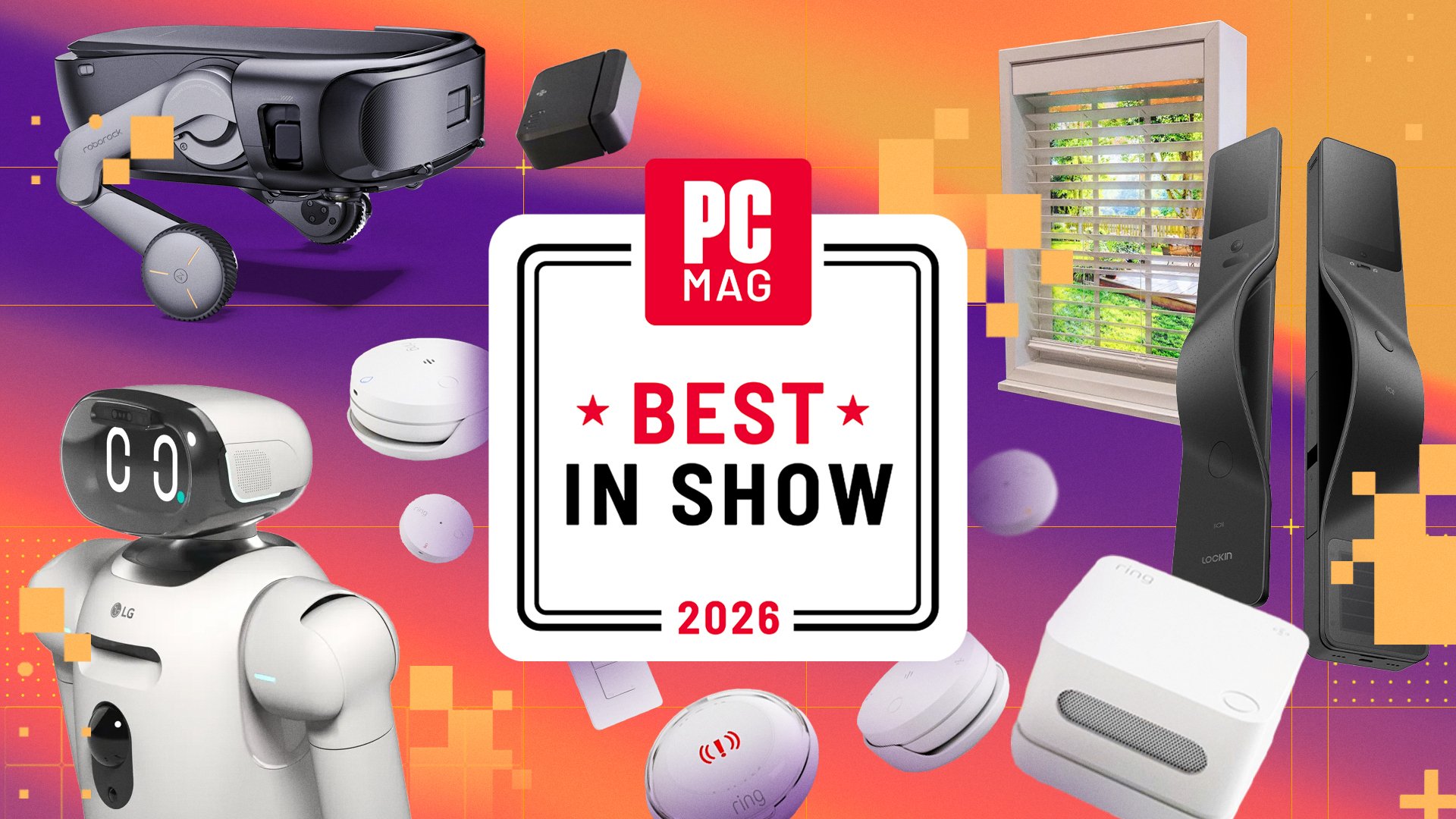
The dream of a home that anticipates your needs, responds to your voice, and takes care of tedious chores is no longer science fiction. It’s the reality of the modern smart home. What began as a novelty—a light bulb you could control with your phone—has evolved into a comprehensive ecosystem of interconnected devices that can enhance convenience, improve security, save energy, and even look after your loved ones. In 2026, the smart home gadgets is more accessible and capable than ever, but with so many gadgets on the market, knowing where to start can be overwhelming.
Smart Home Gadgets 2026: From Smart Speakers to Robot Vacuums
The Brain of the Operation: Smart Speakers and Displays
At the heart of most smart homes is a smart speaker or smart display. Devices like the Amazon Echo (with Alexa), Google Nest Hub (with Google Assistant), and Apple HomePod (with Siri) serve as the central command center. They listen for your voice commands and translate them into actions. You can ask them to play music, set timers, check the weather, read the news, and, most importantly, control all your other smart devices.
Smart displays add a visual element to this interaction. They can show you video feeds from your security cameras, display step-by-step recipes in the kitchen, or make video calls to family members. They are the hub through which you can monitor and manage your entire connected home. Choosing which ecosystem to buy into is a major decision, as devices from one ecosystem (like Alexa) often don’t play perfectly with another (like Google Home). Your choice may be influenced by which smartphone you use or which features matter most to you.
Convenience and Comfort: Lighting, Climate, and Cleaning
The most popular smart home gadgets are those that add convenience to daily life. Smart lighting, from brands like Philips Hue or LIFX, allows you to control lights with your voice or phone. You can schedule them to turn on gradually in the morning to wake you naturally, dim them for movie night, or change their color to match your mood. Beyond convenience, smart lighting can enhance security by making it look like someone is home when you’re away.
Smart thermostats, like the Google Nest Thermostat or the ecobee, learn your schedule and preferences, automatically adjusting the temperature to save energy when you’re asleep or away. They can be controlled remotely, so you’re never left wondering if you left the heat on. Over time, they can pay for themselves in energy savings.
Then there’s the undisputed champion of smart home convenience: the robot vacuum. Devices from iRobot (Roomba), Roborock, and Eufy have evolved from random-bouncing nuisances to sophisticated navigators. Modern robot vacuums use lidar or camera-based mapping to learn the layout of your home, clean in efficient rows, and even return to their base to empty themselves automatically. Some models now also mop, handling both dry and wet floor cleaning in one pass. Coming home to freshly cleaned floors, courtesy of a little robot, never gets old.
Security and Peace of Mind
Smart home technology has revolutionized home security. Smart doorbells, like the Ring or Google Nest Doorbell, put a camera at your front door. You can see and speak to visitors from anywhere in the world using your phone. They record motion events, giving you a record of packages delivered, visitors who stopped by, and, potentially, evidence if something goes wrong.
This extends to full smart security camera systems. Indoor and outdoor cameras can send alerts to your phone when motion is detected, allow you to check in on your home in real-time, and record footage to the cloud. Smart locks, from brands like August or Yale, let you lock and unlock your door remotely, grant temporary access codes to guests or service providers, and eliminate the need for physical keys entirely. Smart sensors for doors and windows can alert you if a door is opened unexpectedly, adding another layer of security.
The Future: Matter and Seamless Integration
For years, the biggest frustration with smart homes was incompatibility. Devices from different brands often refused to talk to each other, forcing consumers to pick one ecosystem and stick with it. That is finally changing with the arrival of Matter, a new universal connectivity standard backed by all the major players—Apple, Google, Amazon, Samsung, and others. Matter promises to make smart home devices work together seamlessly, regardless of which brand or ecosystem you choose. A light bulb with the Matter logo will work with your Alexa speaker, your Google Hub, and your Apple HomeKit, all at the same time.
The smart home of 2026 is more integrated, more intuitive, and more secure than ever before. It’s no longer about showing off gadgets; it’s about creating a living space that works for you, saving you time, energy, and worry. The technology has matured to the point where building a smart home is not just for enthusiasts; it’s for anyone who wants to make their daily life a little bit easier.